Neurofeedback is not a single method. There are several types of neurofeedback systems, with protocol-based neurofeedback and dynamical neurofeedback representing two of the most common professional approaches.
Protocol-based neurofeedback trains selected brainwave patterns associated with symptoms such as attention instability or anxiety, while dynamical neurofeedback provides continuous real-time feedback that allows the brain to adjust patterns based on current needs.
Because these systems work differently, understanding the distinction can help individuals and families make more informed decisions about what kind of neurofeedback training may be appropriate for their goals.
If you are new to neurofeedback, it may help to first understand what neurofeedback training is and how it works.
Are All Neurofeedback Systems the Same?
Neurofeedback is an umbrella term that describes training methods that use EEG sensors to measure brain activity and provide feedback that supports regulation over time.
However, neurofeedback systems differ in:
- how feedback is delivered
- whether specific brainwave targets are used
- how sessions are adjusted
- how much practitioner involvement is required
- whether training can be done at home
Two of the most widely used professional approaches are protocol-based neurofeedback and dynamical neurofeedback.
You can also review a detailed comparison of systems in Best Home Neurofeedback Systems: 2025 Guide to EEG Headsets and Brain Training Devices.
What Is Protocol-Based Neurofeedback?
Protocol-based neurofeedback is designed to train specific brainwave patterns associated with particular symptoms or functional goals.
In this approach:
- sessions are guided by structured training protocols
- clinicians select target brainwave frequencies
- adjustments are made over time based on response
- training may be informed by assessment data such as symptom history or QEEG brain mapping
- works linearly on symptoms one at a time
Protocol neurofeedback is commonly used in clinical settings and is often practitioner-directed throughout the training process.
Because training is targeted, changes are typically connected to the presenting concern being addressed, such as anxiety, depression, PTSD or ADHD.
What Is Dynamical Neurofeedback?
Dynamical neurofeedback takes a different approach. It is the next generation of technology. Instead of targeting specific frequencies or brain regions, it focuses on supporting the brain’s overall flexibility and adaptability.
In dynamical neurofeedback:
- feedback responds moment to moment changes in the brain
- preset protocols are not required
- the system continuously adapts during the session
- training supports whole-system regulation rather than isolated targets
- works on all symptoms simultaneously.
Rather than guiding the brain toward a specific pattern, dynamical systems provide information that allows the brain to adjust its activity naturally over time.
Some dynamical neurofeedback systems are designed for guided home use in addition to clinical settings.
How Protocol and Dynamical Neurofeedback Differ
Protocol and dynamical neurofeedback represent different training strategies.
| Feature |
Protocol Neurofeedback |
Dynamical Neurofeedback |
| Training style |
Targeted frequency training |
Adaptive feedback training |
| Practitioner role |
Active protocol selection |
Real-time automatic adjustment |
| Brain mapping |
Often used |
Not required |
| Training focus |
Specific symptom patterns |
Symptoms & overall regulation and flexibility |
| Adjustment timing |
Between sessions |
Moment-to-moment during sessions |
Both approaches are used professionally and reflect different philosophies of brain training.
Why Different Approaches Exist
Different neurofeedback systems were developed at different stages in the evolution of the field and reflect distinct training goals and methodologies.
Protocol-based neurofeedback is considered an earlier, first-generation approach. It focuses on training specific brainwave patterns associated with particular functional challenges. In this structured model, clinicians select training targets based on symptom presentation or EEG assessment and adjust protocols over time as the brain responds.
Dynamical neurofeedback represents a more recent development in neurofeedback training. Instead of targeting individual frequencies or regions, it focuses on supporting the brain’s ability to adjust its activity more flexibly across situations through continuous real-time feedback.
Because these approaches emphasize different training strategies—one targeting specific patterns and the other supporting broader regulation—individuals may choose one method over another depending on their goals, preferences, and how training is being delivered.
Can Both Types Support ADHD and Anxiety?
Both protocol-based and dynamical neurofeedback are used by individuals living with attention challenges and anxiety, but they support regulation in different ways.
Protocol-based neurofeedback targets brainwave patterns commonly associated with ADHD and anxiety. Training is designed to reinforce activity that more closely reflects normative regulation patterns and reduce patterns associated with dysregulation. Over repeated sessions, the brain receives feedback that supports shifts toward these more stable patterns.
Dynamical neurofeedback takes a broader approach. Instead of targeting specific frequencies linked to ADHD or anxiety, it provides continuous real-time feedback about patterns that may be inefficient or maladaptive in the moment. In response, the brain adjusts its activity based on current needs, which may include changes related to attention stability, emotional regulation, or stress response.
Because both ADHD-related patterns and anxiety-related patterns reflect forms of dysregulation in brain activity, either approach may be explored depending on the goals of training and the structure of the neurofeedback system being used.
You can learn more about these applications here:
Because each brain responds differently, training experiences vary between individuals and systems.
Which Type of Neurofeedback Can Be Used at Home?
Historically, most protocol-based neurofeedback systems were designed for in-office use and required direct practitioner adjustment throughout training.
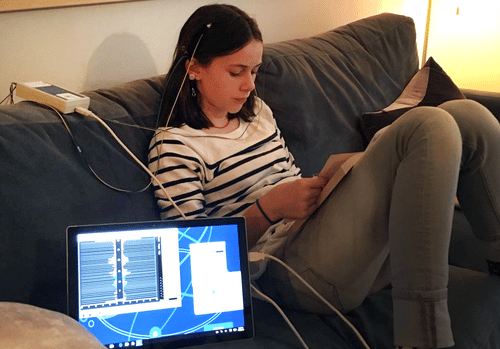
More recent developments have expanded access to home training in some cases, depending on the system and level of supervision available.
Certain dynamical neurofeedback systems are designed specifically for guided home use, allowing individuals to complete sessions more frequently outside a clinic setting.
You can learn more about this option in Home Neurofeedback Training.
Why the Type of Neurofeedback Matters
Understanding the type of neurofeedback being used can help clarify what to expect from training.
Important differences may include:
- whether sessions target specific patterns
- how adjustments are made during training
- whether mapping is required before sessions begin
- how much practitioner involvement is needed
- whether training can take place at home
These factors influence the structure of training as well as the overall experience.
Is One Type of Neurofeedback Better Than Another?
Protocol and dynamical neurofeedback are based on different training models rather than competing approaches. Both are forms of brain training designed to help the brain shift patterns of activity associated with symptoms such as attention instability, anxiety, sleep disruption, or stress reactivity.
Protocol neurofeedback typically targets specific brainwave patterns known to be associated with particular concerns and uses reinforcement to support movement toward more stable regulation patterns over time.
Dynamical neurofeedback does not begin with preset targets. Instead, it provides continuous real-time feedback about patterns that may be inefficient or maladaptive in the moment. As the brain responds to this information, individuals may notice changes related to both specific symptoms and broader regulation across attention, mood, and stress response.
Because both approaches support shifts in maladaptive activity patterns, the most appropriate method depends on individual goals, preferences, and how training is being delivered.
How to Choose the Right Neurofeedback Approach
Choosing a neurofeedback method often depends on several factors, including:
- availability of practitioner support
- preference for structured versus adaptive training
- interest in home versus clinic sessions
- expected training timeline
You can learn more about what training typically involves in What to Expect from Neurofeedback: Sessions, Timeline, and Results.
Frequently Asked Questions
What are the different types of neurofeedback?
Two of the most common professional approaches are protocol-based neurofeedback, which targets specific brainwave patterns, and dynamical neurofeedback, which supports overall brain regulation through adaptive feedback.
Is dynamical neurofeedback the same as protocol neurofeedback?
No. Protocol neurofeedback trains selected frequency patterns, while dynamical neurofeedback responds to brain activity moment to moment without preset targets.
Does protocol neurofeedback require brain mapping?
Some protocol-based systems use EEG mapping to guide training decisions, although approaches vary depending on the clinician and system.
Can both types of neurofeedback be done at home?
Certain neurofeedback systems are designed for guided home training. Historically, many protocol-based systems were primarily used in clinical settings, while some dynamical systems are structured for home use.
Exploring Neurofeedback Options?
If you are considering neurofeedback, a consultation can help clarify:
- differences between available neurofeedback approaches
- what training may look like over time
- whether home training may be appropriate
- expected session timelines
Schedule a consultation to learn more about neurofeedback training options.