Neurofeedback for anxiety is a form of brain training that supports nervous system regulation and flexibility. Instead of forcing relaxation, it helps the brain improve its ability to shift out of stress patterns. Many individuals explore home neurofeedback as a non-medication option to support calmer mood, improved sleep, and emotional resilience over time.
Neurofeedback is not considered a standard first-line medical treatment for anxiety disorders. It is best understood as brain training that may complement cognitive behavioral therapy (CBT), psychotherapy, lifestyle changes, or medication when appropriate.
What Is Neurofeedback for Anxiety?
Neurofeedback (also called EEG biofeedback) monitors brain activity using sensors placed gently on the scalp. The brain receives real-time feedback through sound or visual cues while you relax, watch a movie, or sit comfortably.
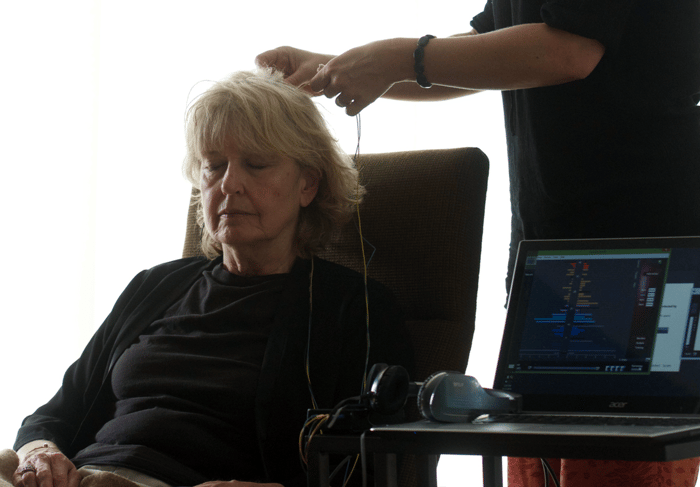
Over repeated sessions, the brain may learn to:
- Reduce rigid stress responses
- Improve emotional recovery time
- Increase access to calmer states
- Improve sleep regulation
- Decrease hypervigilance
Anxiety often involves persistent activation of the stress response system. Neurofeedback focuses on improving regulatory flexibility rather than suppressing symptoms.
Does Neurofeedback Help Anxiety?
Research has reported improvements in anxiety symptoms, stress reactivity, and emotional regulation in controlled studies¹².
Individuals who pursue neurofeedback for anxiety commonly report:
- Fewer racing thoughts
- Improved sleep quality
- Reduced muscle tension
- Greater emotional steadiness
- Faster recovery after stressful situations
However:
- Results vary by individual
- Not all neurofeedback systems are the same
- Frequency and consistency of sessions influence outcomes
Neurofeedback is not a medication and does not chemically alter neurotransmitters. It supports neuroplastic change through repeated training sessions that encourage the brain to become more adaptable.
How Is Neurofeedback Different From Meditation or Relaxation Training?
Meditation trains attention and awareness through conscious practice. Relaxation training focuses on breathing, muscle release, and calming techniques.
Neurofeedback works differently. It provides the brain with real-time information about its activity, allowing it to make adjustments automatically over time.
Some individuals combine meditation and neurofeedback. Others find neurofeedback helpful when anxiety makes sustained meditation difficult due to restlessness or intrusive thoughts.
If anxiety shows up primarily in performance settings, you may also find our article on Performance Anxiety and Neurofeedback helpful.
Can You Do Neurofeedback for Anxiety at Home?
Yes — professional-grade neurofeedback systems can be used at home with appropriate guidance.
You can read more about how home-based training works in our overview of Neurofeedback Therapy at Home for Anxiety and Stress Management.
Home neurofeedback allows:
- Three to five sessions per week
- Reduced logistical stress
- Greater consistency
- Privacy and flexibility
Consistency plays a major role in brain training outcomes. Many individuals find that home use allows for more regular sessions compared to occasional in-office visits.
It is important to distinguish between consumer EEG headsets marketed for focus or meditation and professional neurofeedback systems designed for structured brain training.
How Many Sessions Are Needed for Anxiety?
Each brain responds differently, but individuals often complete:
- 15–30 sessions for early shifts
- 30–50 sessions for more consolidated regulation
Improvements are typically gradual rather than immediate.
Early changes may include:
- Improved sleep
- Slight reduction in intensity of symptoms
- Shorter stress recovery time
Over time, the nervous system may become more flexible and less reactive.
What Results Can You Expect?
Neurofeedback results are rarely linear because the brain naturally changes in a non-linear progression. We explain this pattern in more depth in Why Neurofeedback Results Aren’t Linear — and Why That’s a Good Thing.
Some sessions may feel neutral. Others may be followed by noticeable improvements. It is common for changes to emerge gradually as the brain adjusts.
Long-term changes often reported include:
- Increased emotional resilience and calm
- Reduced chronic tension
- Greater stress tolerance
- Improved clarity and focus
- Better overall regulation
The goal is not to eliminate all stress. It is to improve the brain’s ability to shift out of stress when it is no longer useful.
Is Neurofeedback Safe for Anxiety?
Neurofeedback is non-invasive.
- No electrical stimulation is sent into the brain
- No medication is involved
- No sedation is required
Temporary fluctuations in mood or fatigue can occur as the brain adjusts. Systems that emphasize flexibility rather than forcing specific frequency targets are designed to minimize overstimulation.
What Type of Neurofeedback System Is Used for Anxiety?
There are three general categories of systems:
- Consumer EEG headsets marketed for focus or relaxation. These are typically simplified devices and are not considered professional-grade neurofeedback systems.
- Protocol-based clinical systems. These are professional-grade neurofeedback systems used in clinical settings and often target specific frequency patterns. They typically require trained practitioners.
- Dynamical neurofeedback systems. These are also professional-grade systems. Rather than targeting specific frequencies, they focus on training overall brain flexibility and adaptability. Some of these systems can be used both in-office and at home with guidance.
If you are exploring home neurofeedback for anxiety, understanding these differences is important. Not all “brain training” devices provide the same level of feedback or adaptability. For a detailed comparison of available options, see our guide to the Best Home Neurofeedback Systems.
Frequently Asked Questions
Can neurofeedback cure anxiety?
Neurofeedback does not cure anxiety. It aims to improve the brain’s regulation capacity, which may reduce symptom intensity over time.
How long does it take to see results?
Some individuals notice changes within 10–20 sessions. More sustained shifts typically require 30 or more sessions.
Is home neurofeedback effective for anxiety?
With proper guidance and consistent sessions, home neurofeedback can support meaningful improvements in stress regulation.
Exploring Neurofeedback for Anxiety?
If you’re considering home neurofeedback, a consultation can help determine whether it’s appropriate for your goals. You can also review our breakdown of Neurofeedback Equipment Costs and Buying Options to better understand long-term investment considerations.
During a consultation, we review:
- Your stress patterns
- Expected training timeline
- Rental and purchase options
- Differences between available systems
Schedule a consultation to learn whether neurofeedback is a good fit for you.
Research and References
- Hammond, D. C. (2005). Neurofeedback with anxiety and affective disorders. Child and Adolescent Psychiatric Clinics of North America.
- Mennella, R., Patron, E., & Palomba, D. (2017). Frontal alpha asymmetry neurofeedback for the reduction of negative affect and anxiety. International Journal of Psychophysiology.