One of the most common questions people ask when exploring neurofeedback is simple: How long do I need to do this to know if it’s working?
It’s a reasonable question—and an important one.
Neurofeedback is not a one-time experience or a quick state change. It’s a form of brain training, which means neurofeedback works through learning, repetition, and integration into real life. Understanding the time component helps set appropriate expectations and makes it much easier to decide whether renting NeurOptimal® is the right next step for you.
Why Neurofeedback Takes Time
Brain Training Is Not Instant Relaxation
Some tools create an immediate feeling of calm or focus while you’re using them. Neurofeedback works differently. Instead of imposing a state, it gives the brain information about how it’s functioning so it can adjust itself.
That learning process happens gradually. Just as physical conditioning requires repeated workouts over time, nervous system regulation develops through consistent exposure and feedback.
What the Brain Is Learning
With NeurOptimal®, the brain isn’t being trained toward a specific goal like “more focus” or “less anxiety.” Instead, it’s learning to recognize inefficiencies and respond more flexibly. Over time, this supports better recovery from stress, improved emotional regulation, and more stable cognitive functioning.
What Typically Changes First (Weeks 1–4)
In the first month of training, changes often appear quietly rather than dramatically. These early shifts are signs that the nervous system is responding and beginning to reorganize.
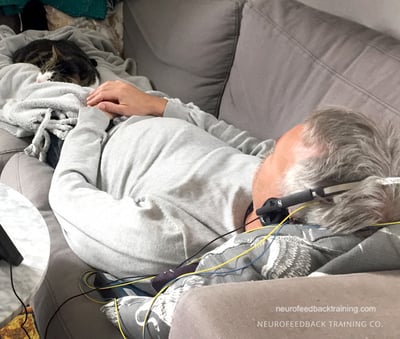 Common early changes include:
-
Falling asleep more easily or waking up feeling more rested
-
Reduced emotional reactivity to everyday stress
-
A greater sense of mental clarity after challenging moments
-
Feeling less “stuck” in stress responses
These early changes don’t mean the process is complete—but they do indicate that the brain is engaging with the feedback.
Why Early Changes Can Feel Non-Linear
It’s also important to understand that the brain does not learn in a straight line. As a consequence, the neurofeedback results can be varied.
During the first few weeks of neurofeedback, some people notice temporary fluctuations, including brief re-emergence of familiar patterns such as restlessness, emotional sensitivity, or disrupted sleep. This does not mean the training isn’t working. In many cases, it reflects the brain exploring new ways of organizing itself.
Because NeurOptimal® mirrors real-time inefficiencies back to the nervous system, the brain may briefly revisit older patterns before settling into more efficient ones. This non-linear process is a normal part of learning and adaptation.
Consistency matters most during this phase. Training through both calm and stressful days helps the brain integrate regulation across real-world conditions.
Why 3 Months Is the Sweet Spot
Enough Time for Learning to Consolidate
Three months gives the brain enough repetition to move beyond experimentation and into consolidation. It allows training to occur across:
-
daily routines
-
stressful moments
-
transitions and changes
This is where patterns begin to stabilize rather than fluctuate.
Why Shorter Rentals Often Fall Short
One-month rentals are often too brief to assess meaningful change. Many people only begin to recognize early shifts just as the rental period ends. Without enough time, the result is uncertainty rather than clarity.
A three-month window provides enough data—both subjective experience and observable changes—to make informed decisions about continuing, adjusting frequency, or transitioning to ownership.
How Often Should You Train During a 3-Month Rental?
Most people do best with:
With NeurOptimal®, there’s no need to micromanage frequency. Because the system is fully automated and non-directive, the brain simply takes in what it needs during each session. Spacing sessions across the week supports learning without overwhelming the nervous system.
Factors That Influence How Long Someone Chooses to Rent
Not everyone progresses at the same pace. Several factors influence how quickly changes stabilize:
-
Overall brain health and lifestyle
-
Quality of sleep and nutrition
-
Chronic versus situational stress
-
Consistency of sessions
-
Readiness for change
A helpful reflection many people find useful is:
Am I ready to feel calmer, more grounded, and let my nervous system settle into a new pattern?
Mindset and consistency both support regulation.
What Happens After 3 Months?
Three months of consistent neurofeedback provides a solid foundation for change. For some people, key symptoms have already eased—sleep improves, stress reactivity decreases, and the nervous system has learned what calm and focus feel like again.
For those working with more complex or long-standing patterns, three months offers enough lived experience to assess direction. At that point, most people clearly know whether continued training is beneficial, whether extending a rental makes sense, or whether purchasing a system supports their long-term goals.
Common next steps include:
-
Continuing to rent for ongoing nervous system support
-
Transitioning to ownership for long-term training
-
Using sessions more strategically during higher-stress periods
-
Meeting their goals and returning the system
-
Pausing with a clearer understanding of how their brain responds
Rather than guessing, a three-month rental gives the nervous system enough time to demonstrate results from neurofeedback—making next steps clearer and more confident.
Why a Home Rental Makes This Easier
Training at home removes many of the barriers that interfere with consistency:
-
No travel or scheduling stress
-
The same professional-grade system used in clinics
-
Easier integration into daily routines
-
A low-pressure environment for learning
For many families and individuals, this convenience is what makes consistent training possible.
Frequently Asked Questions
Is three months enough to know if NeurOptimal® is working?
For most people, yes. Three months allows enough time to observe trends rather than isolated experiences.
Can I notice changes sooner?
Some people do notice early shifts within the first few weeks, though stabilization typically takes longer.
What if I miss sessions?
Missing an occasional session isn’t a problem. Consistency over time matters more than perfection.
Is it better to rent longer or buy?
That depends on your goals. A three-month rental gives clarity before making a longer-term decision.
Why not just try one month?
One month often isn’t long enough to assess how the brain integrates learning over time.
Clarity Over Commitment
The goal of renting NeurOptimal® isn’t to do the minimum—it’s to give your brain enough time to show you how it responds. A three-month rental strikes a balance between commitment and flexibility, offering real information rather than guesswork.
For those new to neurofeedback, this timeframe provides the clearest picture of whether continued training makes sense.
If you’re considering neurofeedback for the first time, our discounted 3-month home rental program offers an ideal starting point. It includes professional-grade equipment, guidance, and enough time to experience meaningful change—without long-term pressure. To learn more, visit NeurofeedbackTraining.com.